
When Immigration Delays Go Too Far,
We Take Action.
Stop Waiting on USCIS. Take the Delay to Federal Court.
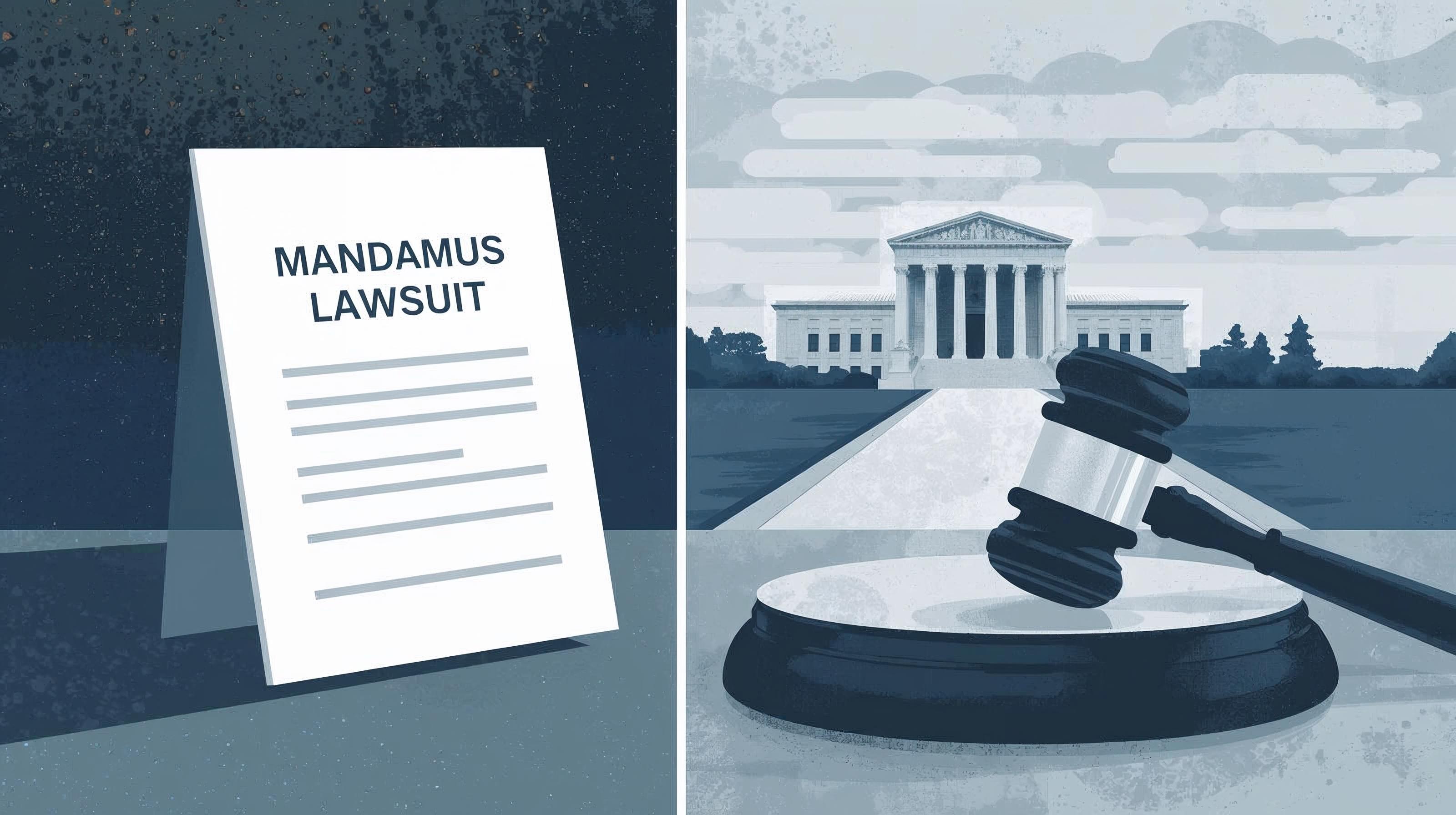
When USCIS or the State Department fails to act, a mandamus lawsuit can challenge the delay and push your case toward a decision.
Experienced representation in Mandamus lawsuits nationwide:
500+ Mandamus Cases Handled
500+ Clients & Families Represented
7+ Years of Federal Litigation Experience
100+ Five-Star Reviews
Nationwide Federal Court Representation

Muhammed Gulen, Esq.
Founding Attorney | GH Law Firm, P.C.
I am a New York–licensed immigration attorney and the founder of GH Law Firm, P.C. I practice federal immigration law nationwide, representing clients in asylum cases, removal defense, and family and employment-based immigration matters.
I approach every case with the understanding that it represents a real person, a real family, and a real future, not just a file number. My goal is to make the immigration process as clear, transparent, and manageable as possible, while providing strong, strategic legal representation.
I am here to stand by you and guide you through every step of your immigration journey with care and commitment.
What is a Mandamus Lawsuit?
Mandamus lawsuit is a federal legal action that compels a government agency or official to perform a legally required duty. In immigration, a Writ of Mandamus forces agencies such as USCIS, the Department of State (DOS), or the Department of Homeland Security (DHS) to act on delayed applications.
If your immigration case has been delayed for an unreasonable amount of time, filing a Mandamus lawsuit can force the government to issue a decision. While it does not guarantee approval, it ensures action on your pending case.
Who Can File a Mandamus Lawsuit?
Eligibility depends on whether the delay is unreasonable, not strictly on published processing times. Even if your case appears within posted timelines, certain circumstances justify filing, especially if you have exhausted all other options such as expedite requests or congressional inquiries.
Because each case is unique, consultation with an experienced immigration lawyer is essential to determine whether a Mandamus lawsuit is appropriate.
Bar & Court Admissions
New York State Bar
United States Court of Appeals for the Fifth Circuit
U.S. District Court for the Southern District of Texas
U.S. District Court for the Eastern District of Texas
U.S. District Court for the Northern District of Texas
U.S. District Court for the Western District of Texas
U.S. District Court for the Southern District of New York
U.S. District Court for the Eastern District of New York
U.S. District Court, District of Maryland
U.S. District Court, District of Nebraska
U.S. District Court, District of New Mexico
U.S. District Court for the Western District of Oklahoma
U.S. District Court for the Northern District of Oklahoma
FAQs About Mandamus Lawsuit
What Immigration Cases Are Eligible for a Mandamus Lawsuit?
Asylum applications – forcing USCIS to schedule interviews or make decisions.
Green card applications – both family-based and marriage-based cases often face long delays.
Naturalization (citizenship) – delayed applications can be pushed forward.
Employment-based visas (EB-1, EB-2, EB-3) – delays due to background checks or processing issues.
Travel documents (I-131) and Employment Authorization (I-765) – for work permits and travel permits.
Can a Mandamus Lawsuit Help Move a Delayed Asylum Case Forward?
Yes. Mandamus lawsuits are especially effective for asylum delays. If your asylum interview or decision has been postponed for years, filing a Mandamus compels USCIS to schedule action.
What Is the Typical Timeline for a Mandamus Lawsuit?
Most cases move forward within 60 days after filing. Many applicants see updates, scheduled interviews, or decisions during this period. If the government contests, cases may take longer, but most are resolved before reaching trial because agencies prefer to avoid court involvement.
Does a Mandamus Lawsuit Negatively Affect an Immigration Case?
No. Filing a Mandamus does not negatively impact your immigration case. It simply ensures the agency takes action.
Fears of government retaliation are unfounded; USCIS must process applications fairly, regardless of whether you filed a lawsuit.
CHECK YOUR ELIGIBILITY FOR
MANDAMUS LAWSUIT


The information provided on this website is for general informational purposes only and should not be construed as legal advice.
Facebook
Instagram
LinkedIn